
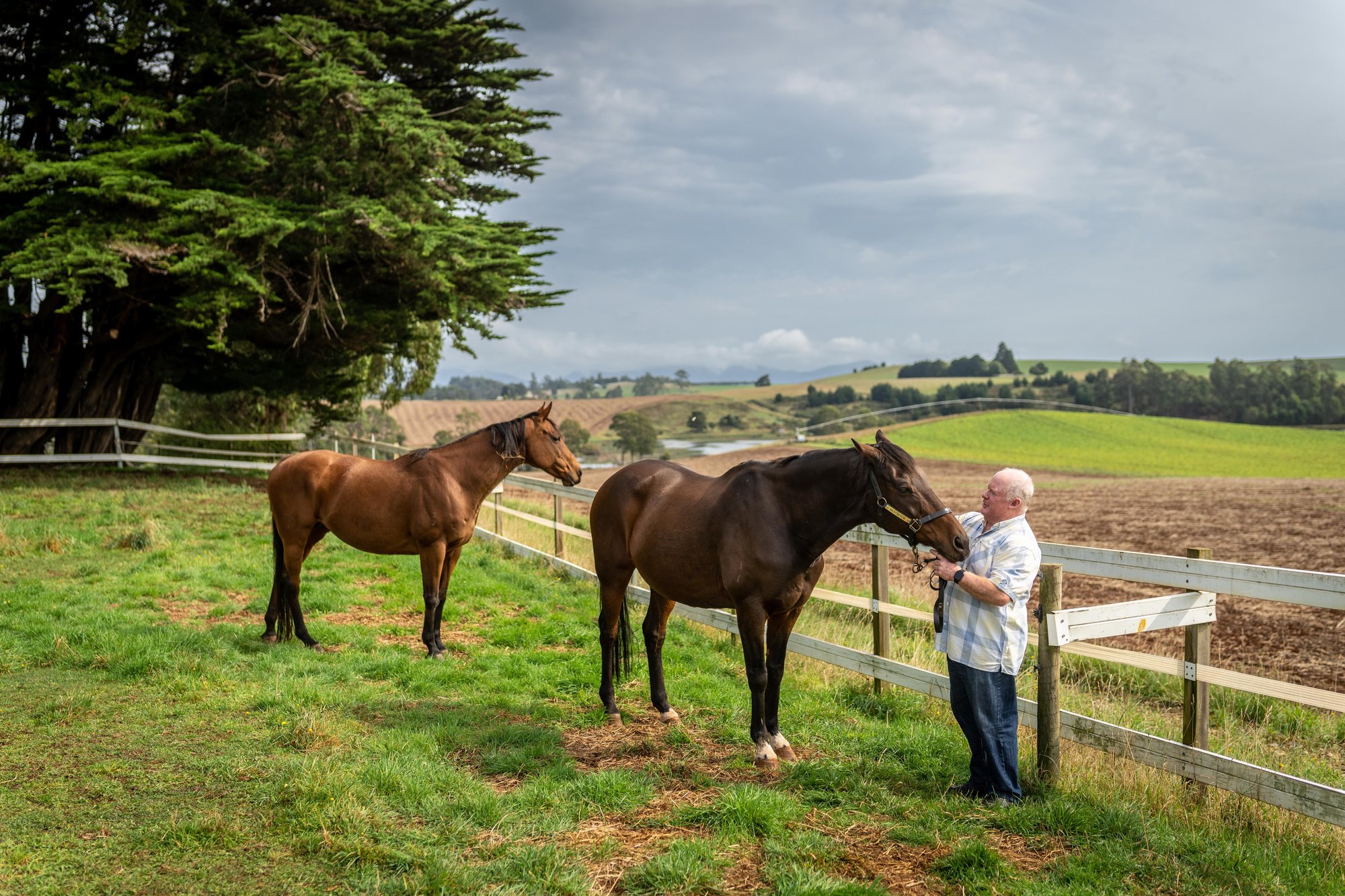
Racing supports Tasmanian jobs, communities and a way of life that has been part of our state for generations.
Racing is part of Tasmania
For generations, racing has been part of Tasmanian life.
It is a sport, an industry, a livelihood and a community. It supports jobs, creates opportunities, brings people together and contributes to regional towns right across the state.
Tasmania is the perfect place to race, and the racing industry plays an important role in helping communities grow and stay connected.
More than a race day
Tasmanian racing is about more than what happens on the track.
Behind every race meeting are trainers, drivers, jockeys, breeders, owners, strappers, kennel staff, farriers, vets, club volunteers, hospitality workers, broadcasters, administrators, suppliers and local businesses.
It is an industry built on people, animals, skill, care and commitment.
That is why we race.
Supporting Tasmanian jobs and communities
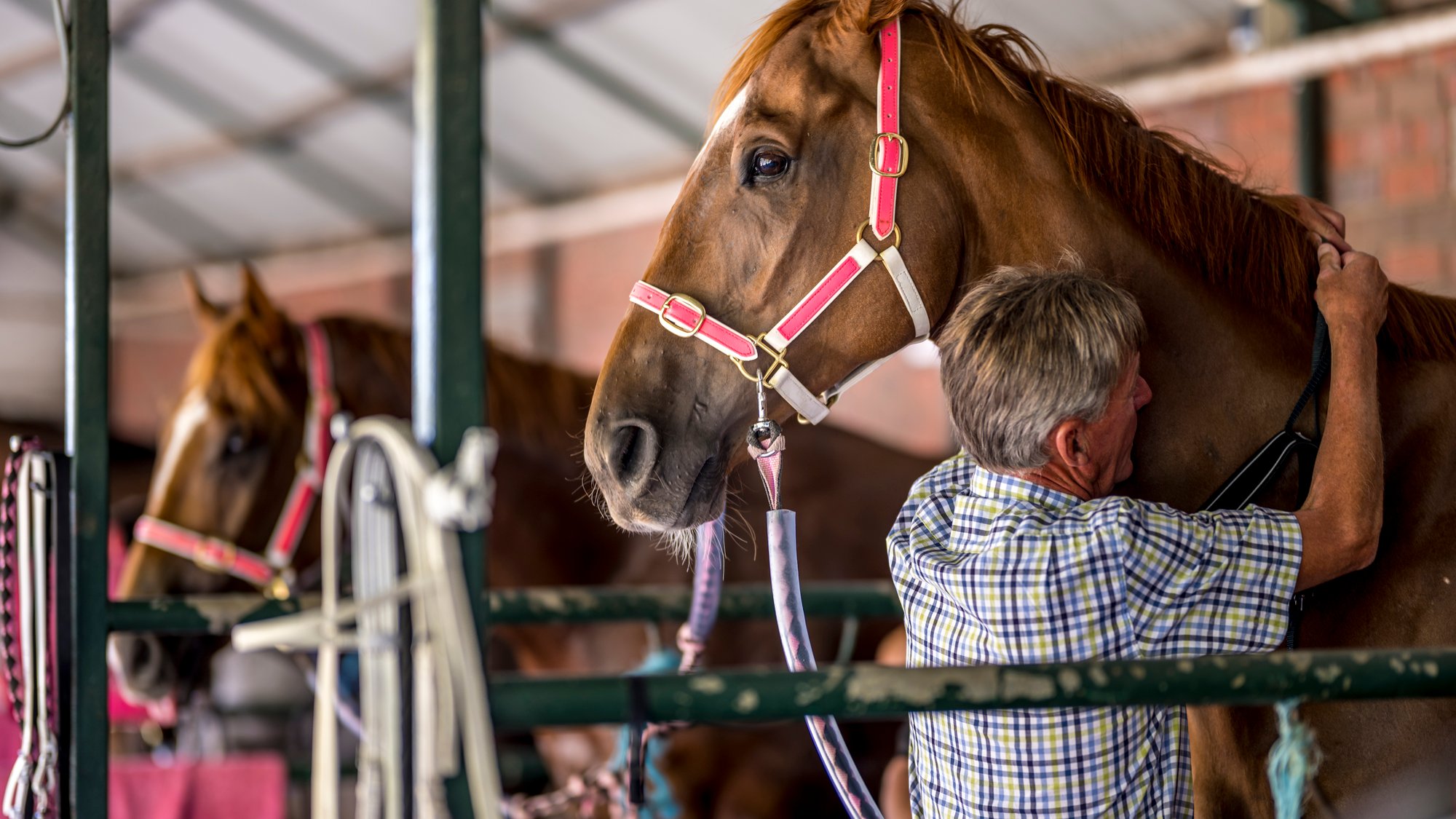
The Tasmanian racing industry directly and indirectly supports more than 6,400 Tasmanians, with a significant number of participants based in regional communities.
Racing also contributes more than $208 million to the Tasmanian economy, with a strong proportion of this activity flowing into regional areas.
From race clubs and local suppliers to hospitality, tourism, retail and community organisations, racing helps generate activity well beyond the racecourse.
Racing across the state
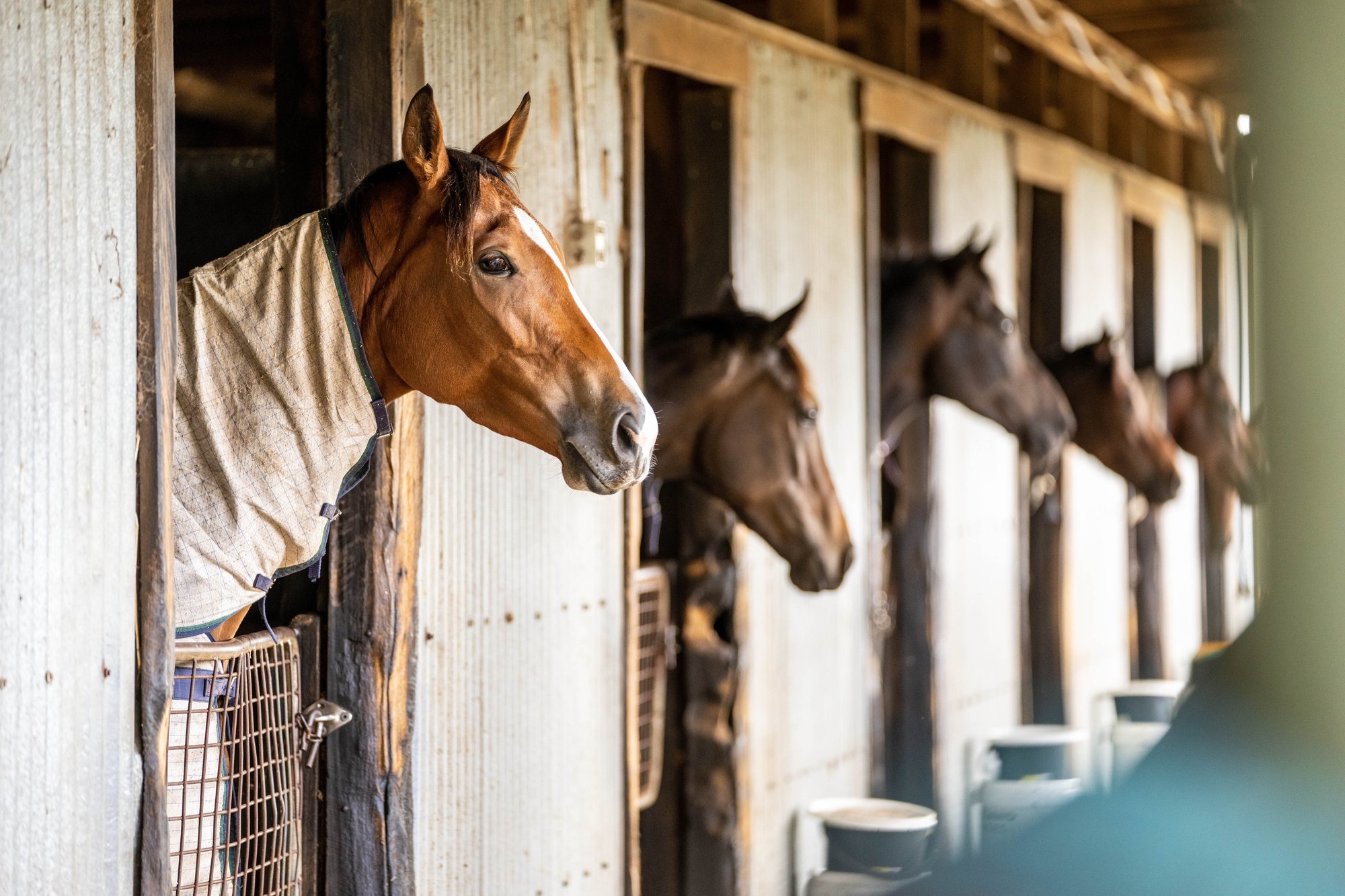
Tasmania’s racing industry is made up of three codes: thoroughbred, harness and greyhound racing.
Together, they support race meetings, training operations, breeding, animal care, employment and participation across the state.
Tasmania has:
- 14 race clubs throughout the state
- 16 race tracks, including tracks in Hobart, Launceston and regional Tasmania
- More than 2,800 races conducted across the three codes
- Close to $29 million in prize money and bonuses available to owners and participants
Regional communities at the heart of racing
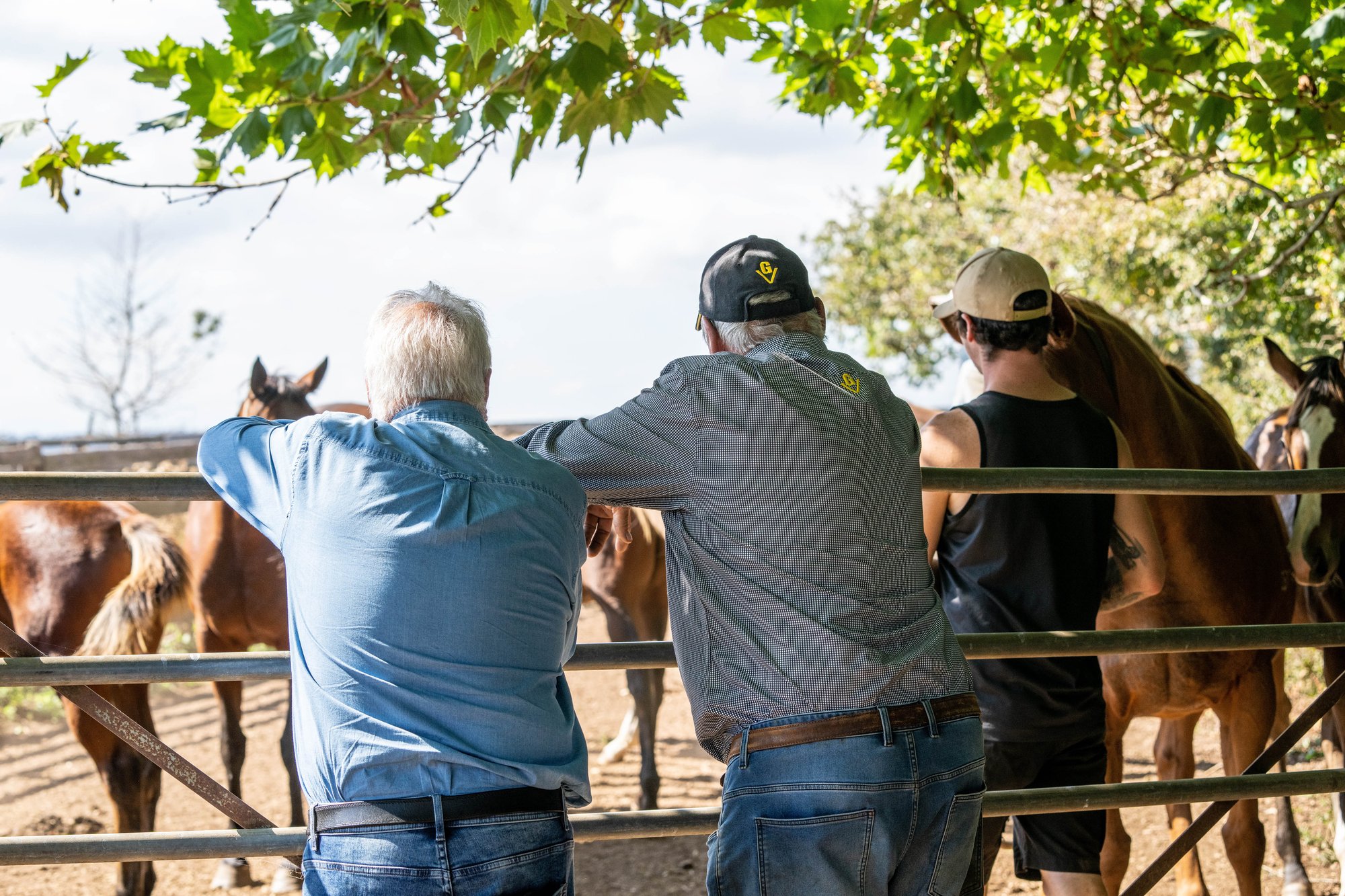
Racing has a strong regional footprint.
More than 63 per cent of racing participants are from regional communities, and regional Tasmania accounts for a significant share of the economic activity generated by owners and trainers preparing horses and greyhounds for racing.
For many towns, race clubs are more than sporting venues. They are community spaces, gathering places and local assets used by clubs, not-for-profit groups and community organisations.
A community industry
Racing contributes to Tasmania in ways that go beyond economic activity.
Across the state, the industry supports charitable organisations, community groups, local sporting clubs and volunteers.
-
Close to 60 charitable organisations receive direct funds or in-kind support from the racing industry, while close to 40 community and not-for-profit organisations share club facilities.
-
More than 1,000 volunteers contribute their time, skills and support to Tasmanian racing.
Bringing people together
Race days continue to bring people together across Tasmania.
In 2021/22, more than 110,000 people attended race meetings across the state.
Race days support local hospitality, fashion, retail, travel and tourism.
With customer spending extending beyond the racecourse into the wider community.
For every dollar spent on-course by racing attendees, further spending is generated off-course.
Read the report
Tasracing commissioned the IER Size and Scope of the Tasmanian Racing Industry report to better understand the economic and social contribution of racing in Tasmania.
The report highlights the role racing plays in supporting jobs, regional communities, local businesses, race clubs, volunteers and community organisations.
It’s why we race
-
We race because it is part of who we are.
-
We race for the people who dedicate their lives to the industry.
-
We race for the communities that come together on race days.
-
We race for the animals at the centre of the sport.
-
We race for the history, the future and the opportunity to keep building a vibrant, sustainable industry for Tasmania.
IT'S WHY WE RACE.